Episodes

Cosmic campout
What all is required in order to camp out with God? And what is holiness anyway? Nate and Tim discuss all this and more, including why there are so many long lists of detailed instructions in the Torah and how to read them. Also, what do the golden calf, Nadab and Abihu, and the tragedy of Uzzah and the cart all have in common?

Rabbi Danya Ruttenberg: Forgiveness and Pharisees
On the 1-year anniversary of the Tree of Life Synagogue massacre in Pittsburgh, we sit down with Rabbi Danya Ruttenberg. What constitutes a good apology? How do we appreciate both forgiveness and justice at the same time? And what can we learn from the Jewish tradition about how to disagree, change our minds, and embrace both the old and the new? Also, we get into how Jesus might have actually been a Pharisee.
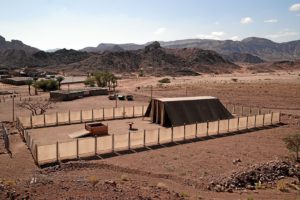
Priests are holy bouncers
Did you know that Adam and Eve worked as security guards in the Garden of Eden? And what does it mean to be a priest? And once again, why is there a snake in the garden? Nate and Tim discuss the role of priests and how Genesis 2 depicts Adam as a priest representing Israel.
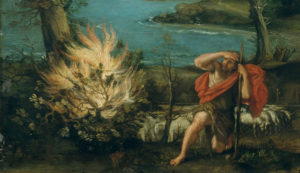
God might kill us
Are we supposed to be afraid of God? Why did the ancient Israelites fear the Lord? What was it that scared them exactly? Nate and Tim discuss how we may have gotten this all very wrong for a long time and maybe we shouldn’t be so scared after all.
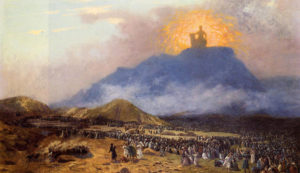
Distance and Separation
The New Testament claims Jesus is helping reconcile humanity and God, but why were they ever separated in the first place? Does God want to separate from us because we’re awful, or is there something entirely different going on? Nate and Tim discuss the biblical authors’ surprising assumptions about why God is so distant and what is actually required to bridge the gap.
Blood and Guilt
What were the sacrifices for? What did blood do? What is the main problem which the tabernacle and temple and then Jesus were trying to solve? Nate and Tim introduce a new series on Leviticus, atonement, and the crazy idea of blood as a kind of cosmic insulation. In this first part, they highlight some of the big ideas soon to be discussed and reflect on why it matters.

Did Jesus just call her a dog?
Did Jesus really call a Canaanite woman a dog? Was this as heartless and mean as it sounds, or is something else going on? Nate and Tim discuss this startling passage in Matthew 15 and more.
The clearly unclear Bible
If the Bible is clearly sufficient for all our needs and sufficiently clear so that we can understand it, why doesn’t it feel that way? Nate and Tim discuss the history of these ideas, the role they’ve played, and whether or not they’re still helpful today. Once again it all seems to come down to power - who has it? Or, as they ask in this episode, “Who is the pope?”
Who is the Bible?
When we say, “The Bible says,” what do we really mean? Who exactly are we talking about? Nate and Tim try to answer that question and more as they discuss the relationship between the people who wrote the Bible and our own modern ethics.
Choose your own adventure Bible
What if many of the texts are written in order to place us at a crossroads between two valid interpretations? And how does understanding the Bible as a mosaic of texts help us deal with troubling passages in the OT? Nate and Tim reflect on why reading the Bible is more complicated than taking it “literally” or not.

Does the Bible Permit Exploitation? (Part 2)
The Old Testament is a complex tapestry of stories that often challenge our modern understanding of morality. In this episode of Almost Heretical, we dive into troubling narratives that seem to clash with today’s ethical standards—particularly around the treatment of women and the cultural norms of ancient Israel. How do we, as people who value the Bible, approach these stories when they seem to reflect values we’d reject today? Let’s explore this tension and what it means for our faith.
Bathsheba and David: A Story of Power and Betrayal (Part 1)
What do the stories of the Hebrew Bible reveal about power and privilege, especially in the lives of its key figures? In this episode of Almost Heretical, we kick off a two-part series with Nate and Tim, delving into the narrative of David and Bathsheba from a fresh perspective. Often celebrated as a hero, David’s actions raise questions about leadership and responsibility. Join us as we explore the cultural context of these ancient texts and what they might mean for us today.
Christena Cleveland: Getting free
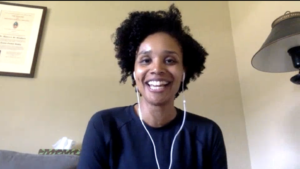
At some point we have to ask ourselves do I really want to be free? Freedom is no longer caring whether we’re crossing the lines that other people are creating for us. Nate and Tim sit down with renowned scholar Dr. Christena Cleveland. They discuss getting free from toxic Christianity, finding sustenance for a life of activism, what the gospel really is and much more.
Why do people marry? (Part 2)
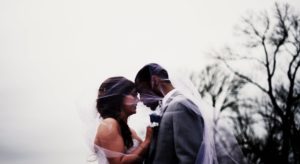
Did God really define marriage? Or is it just something people have often done? And what did Jesus really say about men and women? Nate and Tim continue the conversation about whether the Bible ever asserts a divine ideal for marriage.

The so-called Divine Ideal (Part 1)
Is the Bible even about a return to original ideals? Or is the idea that of a forward march through history where humans partner with God to usher in new and unknown territory? Nate and Tim begin a discussion on sexuality and gender, asking whether the so-called divine ideal for marriage is really a good argument in defense of traditional views.

Rachel Held Evans tribute
In memory of Rachel Held Evans.
The Heaven Ethic (Heaven Part 4)
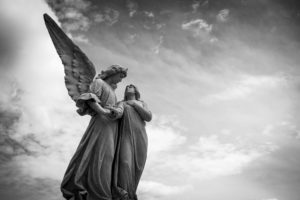
The Bible’s cosmology can be weird and hard to believe. What is there for us if we can’t get excited about ruling over angels? Nate and Tim wrestle with this question, discussing the profound and practical strategy that Paul and the early Christians took from all this craziness, which is the ethic of relinquishing power.
Bodies for Both Worlds (Heaven Part 3)
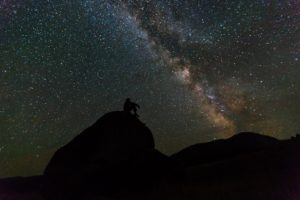
This is where things start to get weird. Nate and Tim look at the Bible’s strange hope that humanity would one day come to rule not only on earth but over the gods in the heavens. And to Paul, for that to happen, we’ll need bodies fit for inhabiting both heaven and earth simultaneously.
Heaven as a Revolution (Heaven Part 2)
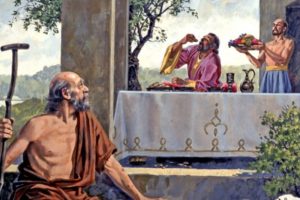
God will one day lead a revolution to overturn the power structures of the world. The biblical writers call this "heaven." Those at the bottom will be put at the top and vice versa, and it may have nothing to do with how good or righteous we are. The conversation leads to more questions and even some concerns, which Nate and Tim begin to address.
I’ll fly away, old glory (Heaven Part 1)
Did you used to picture flying away to be in heaven? Or, maybe you've thought of new creation as what heaven is. After spending 3 episodes talking about hell, Nate & Tim work to complicate the conception of heaven, in keeping with the biblical writers.
The Journey Continues
Almost Heretical has evolved into Faith Lab. Same heart, same tough questions, new name. Come join us.
VISIT FAITH LAB →